

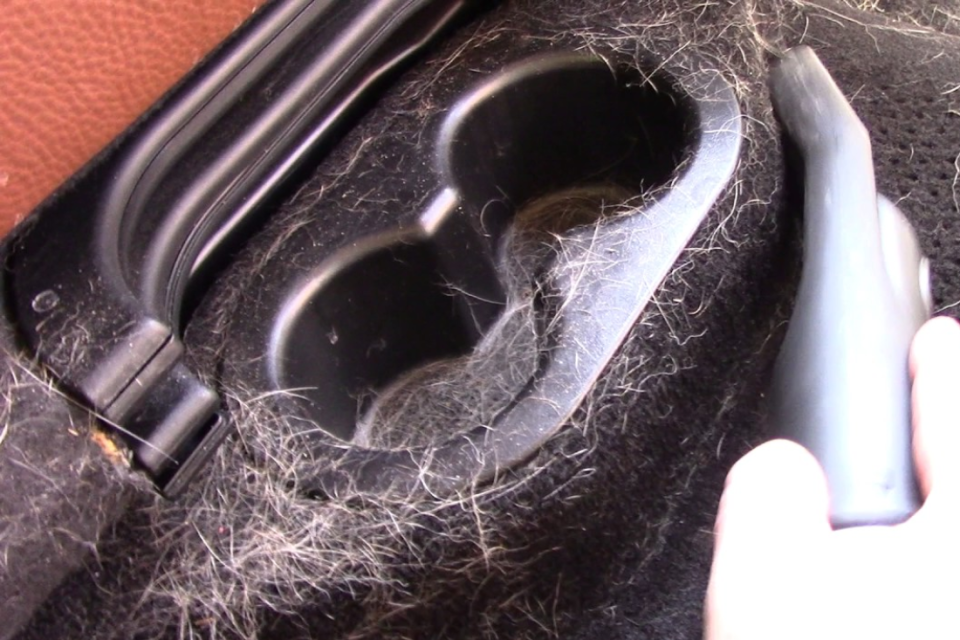
Pets bring boundless joy into our lives, but their furry companionship often leaves behind a fluffy challenge—pet hair. In the world of auto detailing, the removal of pet hair is an art that goes beyond a simple sweep. In this blog post, we unravel the intricacies of pet hair removal, exploring the techniques and nuances that ensure your car interior stays pristine.
**1. Understanding the Nature of Pet Hair:
Variable Hair Types: Pet hair isn’t one-size-fits-all; it comes in various lengths, textures, and colors. Understanding the unique characteristics of your pet’s fur is the first step in effective removal. Whether it’s short and wiry or long and silky, different techniques may be required for optimal results.
Static Challenges: Pet hair has a knack for sticking to surfaces due to static electricity. This can make removal more challenging, especially on fabric or carpeted areas. Detailing professionals employ techniques that counteract static to ensure thorough extraction.
**2. Surface-Specific Techniques:
Fabric Considerations: Different surfaces require tailored approaches. Fabric seats, carpets, and upholstery demand techniques that penetrate fibers, lifting embedded hair. Detailers often use specialized brushes, rollers, or vacuum attachments designed for fabric surfaces to ensure a comprehensive removal process.
Suction Power for Carpets: Carpeted areas can be magnets for pet hair. Powerful vacuum cleaners, often equipped with specialized pet hair attachments, are employed to extract hair from the depths of carpet fibers. The nuanced use of suction power ensures a thorough cleanup without causing damage.
**3. Precision Tools for Hard Surfaces:
Dashboard and Hard Surfaces: Pet hair has a way of finding its way onto hard surfaces like dashboards and consoles. Detailing professionals use precision tools such as soft brushes, detailing putty, or even specialized pet hair removal stones to delicately lift hair from these areas without causing scratches.
Consideration for Delicate Surfaces: Delicate materials like leather or sensitive electronic components require gentle handling. Detailers take care to choose tools and techniques that effectively remove pet hair without causing damage or leaving residue.
**4. Prevention and Minimization:
Strategies for Prevention: While removal is a key aspect, detailing professionals often advise on prevention strategies. This may include using pet-friendly seat covers or blankets to minimize direct contact between your pet and the car interior. Preventing excessive shedding can significantly reduce the frequency of hair removal.
Regular Maintenance: Routine maintenance is essential to prevent pet hair from accumulating. Detailing professionals may recommend regular vacuuming or the use of lint rollers as part of a proactive strategy to keep pet hair at bay.
**5. Beyond the Visible:
Airborne Hair and Filtration: Pet hair isn’t limited to what’s visible; it can become airborne, circulating in the car’s interior. Advanced detailing may involve air purifiers or specialized filtration systems that capture even the smallest pet hair particles, ensuring a thorough and lasting result.
Cleaning and Conditioning for Fabric Health: Beyond removal, detailing professionals may recommend cleaning and conditioning treatments for fabric surfaces. This not only ensures the removal of allergens associated with pet hair but also contributes to the overall health and longevity of your car’s interior.
Conclusion:
Pet hair removal isn’t just a task; it’s a nuanced process that requires an understanding of different hair types, surface-specific techniques, and preventive strategies. In the skilled hands of detailing professionals, the challenge of pet hair is met with precision tools, tailored approaches, and a commitment to leaving your car interior not just clean but also welcoming to both two-legged and four-legged passengers. As you embark on the journey of pet-friendly auto detailing, rest assured that the tangles will be tamed, and your car interior will remain a haven for joyful rides with your furry companions.